scan-time-in-real-life

Introduction:
Materials and Methods:
Results:
Discussion:
1 Introduction
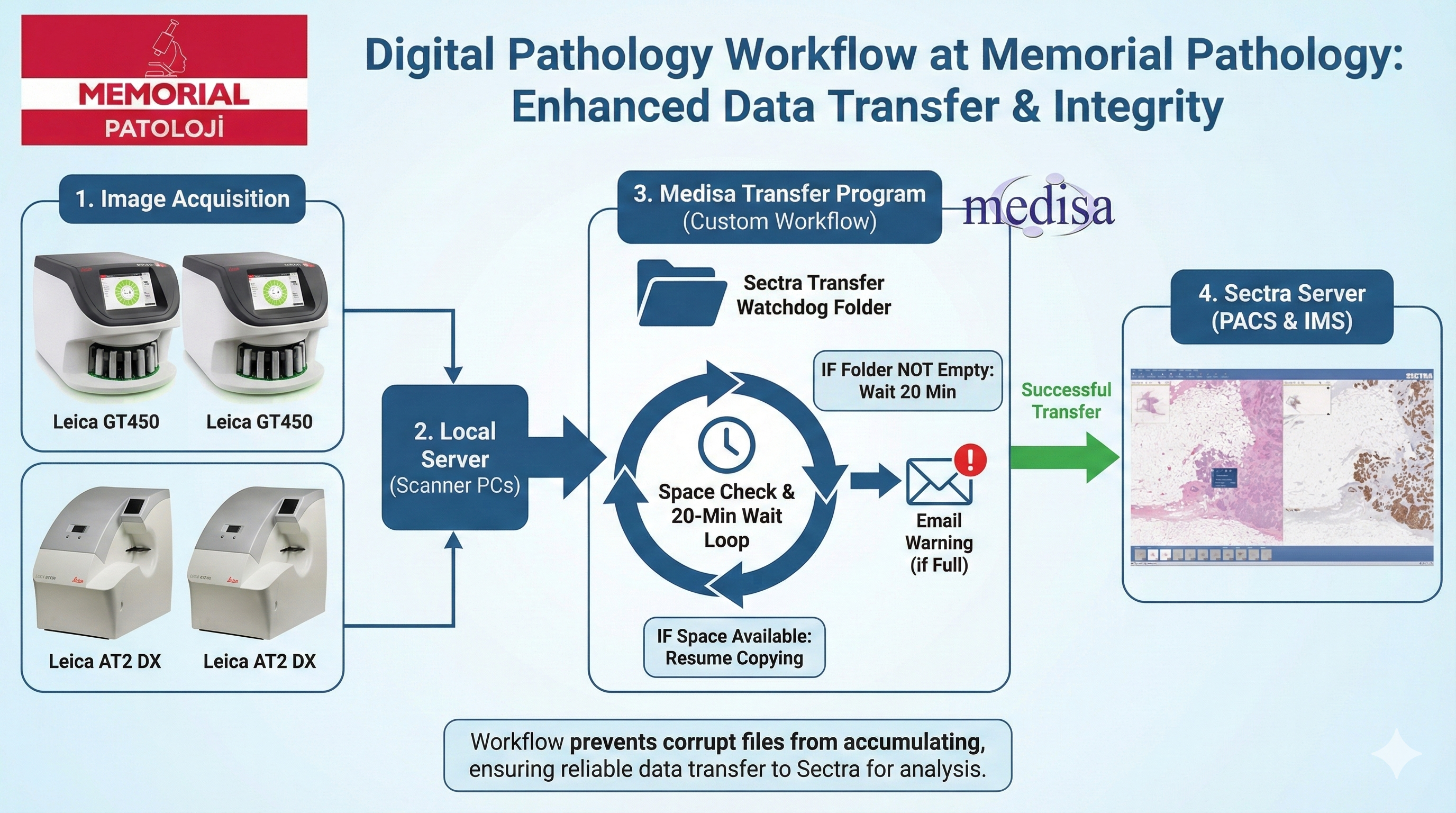
This project analyzes the “cost of time” in a digital pathology workflow, focusing on the scan duration and turnaround times. The goal is to provide a data-driven basis for optimizing scanner utilization and communicating the impact of digital delays to stakeholders. Digital pathology represents a transformative shift in the anatomic pathology workflow, introducing a new “scanning” step that bridges the physical and digital realms. Unlike radiology, where images are born digital, digital pathology requires the high-fidelity digitization of physical glass slides before they can be viewed by a pathologist. This additional processing step inevitably introduces a time component to the diagnostic workflow.
A critical question accompanying the widespread adoption of digital pathology is whether this scanning time creates a significant bottleneck. While vendors often cite scanning times for ideal, single slides (typically measured in minutes), real-world performance is influenced by a multitude of factors including:
- Queueing Effects: The time slides wait in batches before being loaded.
- Tissue Characteristics: Variations in tissue size, thickness, and staining intensity.
- Operational Workflow: The efficiency of loading, unloading, and error handling.
In a routine laboratory setting, cases vary significantly in complexity, from single-slide biopsies to multi-part resections. Even if an individual slide scans quickly, the “case completion time”—the moment the last slide of a case is available for review—is the metric that truly impacts the pathologist’s turnaround time.
Study Context
Our laboratory operates four high-throughput scanners. We have implemented a workflow where slides are queued for scanning immediately upon the completion of staining. This study aims to investigate “scanning time in real life” by analyzing log data from our daily operations. We seek to quantify not just the machine speed, but the total time cost of digitization, identifying bottlenecks and opportunities for optimization.